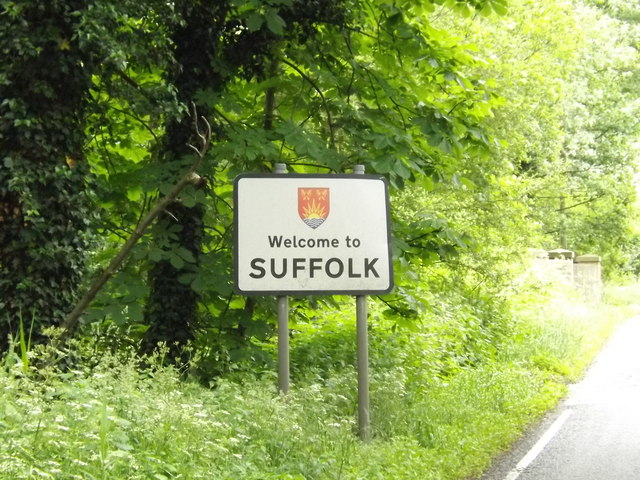
O2’s 5G Standalone network (which the company calls ‘5G+’) is continuing to grow, with it now being available across much of Suffolk.
That includes more than 760,000 residents of 434 towns and villages, such as Ipswich, Lowestoft, Bury St Edmunds, Haverhill, Felixstowe, Sudbury, Stowmarket, Newmarket, Beccles, and Woodbridge.
And because O2 aims to bring “at least 90% outdoor coverage” of 5G+ to a place before announcing it, these locations should have near comprehensive coverage.
5G Standalone, as a reminder, is a form of 5G that doesn’t rely on any 4G infrastructure or technology. That allows it to be faster and more reliable than non-standalone 5G, as well as opening up new use cases, such as network slicing. Back when the UK’s networks first launched 5G services it was all non-standalone, but now much of the UK has 5G Standalone coverage.
Over 86% population coverage
In O2’s case, that figure now stands at more than 86% of the UK’s population, and it’s increasing rapidly, with the network not long ago bringing 5G Standalone to Wales and Greater Manchester.
But EE and Vodafone are also making major strides in their 5G Standalone rollouts, with for example EE recently announcing that it had delivered coverage to more than 50 million people.
In any case, if you’re on O2 then its 5G+ service is offered at no extra cost, you simply need a compatible phone and to be in an area with 5G Standalone coverage.