EE’s 5G+ rollout is continuing at a rapid pace, as the network has announced that it’s now brought the technology – which is its name for 5G Standalone – to more than 30 seaside and market towns, and will also be bringing it to 25 major events this year.
As a reminder, 5G Standalone is a form of 5G that doesn’t depend on any legacy 4G infrastructure, which makes it faster and more reliable than the forms of 5G that the UK’s networks initially launched with.
The towns that recently got a 5G+ upgrade include Ballynahinch, Blackpool, Blackwood, Bournemouth, Canvey Island, Chepstow, Chester-le-Street, Coleraine, Dawlish, Dumbarton, East Kilbride, Eastleigh, Falkirk, Flint, Hebden Bridge, Holywell, Lisburn, Monmouth, Motherwell, Newport (Isle of Wight), Pontypridd, Porthcawl, Rhyl, Risca, Roslin, St Ives (Cambridgeshire), Stroud, Tonypandy, Torquay, Weston-super-Mare, Whitehaven, Whitley Bay, and Winchester.
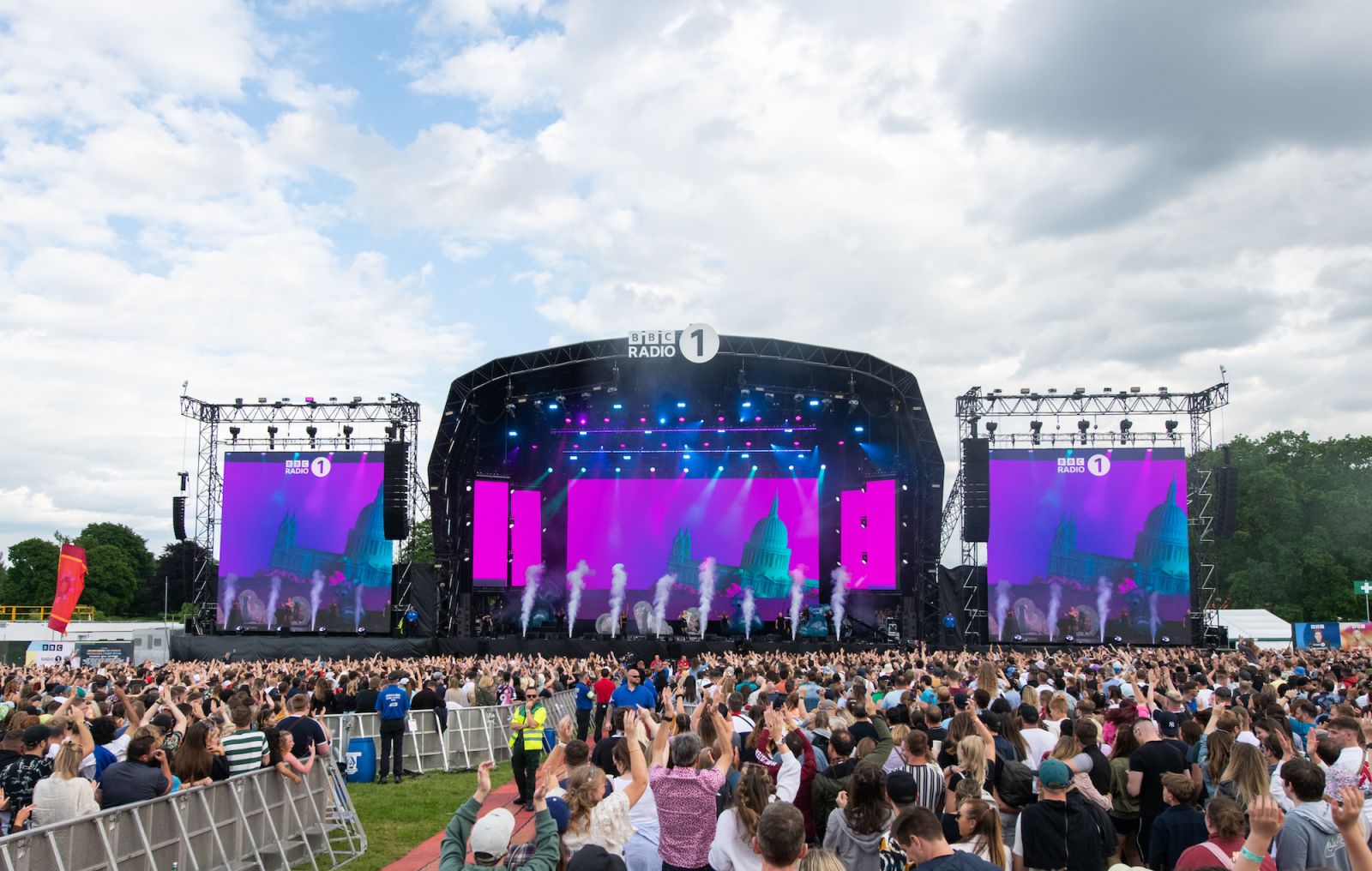
As for the events getting this superfast technology, they include All Points East, BBC Radio 1’s Big Weekend 2026, Belladrum Tartan Heart Festival, Big Feastival, Boomtown, BST Hyde Park, Creamfields, Devon County Show, Download Festival, Eisteddfod, Formula One British GP At Silverstone, Game Fair, Goodwood Festival Of Speed, Hillside 2026, In It Together Festival, Isle Of Wight Festival, Kendall Calling, Latitude Festival, Lost Village, Leeds Festival, Parklife Festival, Reading Festival, Royal Ascot, The Royal Welsh Show, Y Not Festival, and the 2026 Commonwealth Games.
A big boost for busy places
The upgrade to 5G+ could prove particularly beneficial in these places and events, because they’re sure to be busy, and 5G+ delivers the capacity needed to ensure everyone can get high-speed data. In some of these places it will also mean improved signal, so you’ll potentially be getting coverage where there wasn’t any before.
But while these areas are obvious places to bring 5G+ to, EE hasn’t limited itself to tourist towns and events – in fact, at this point it has brought 5G Standalone to 75% of the UK population, covering more than 44 million people in England, over 2.1 million people in Wales, more than 3.3 million people in Scotland, and almost one million people in Northern Ireland.
But it faces some stiff competition, as O2 recently announced that it had brought 5G Standalone to over 85% of the UK’s population, and Vodafone is rolling it out too. So even if you’re not with EE you might be able to make use of this technology.